

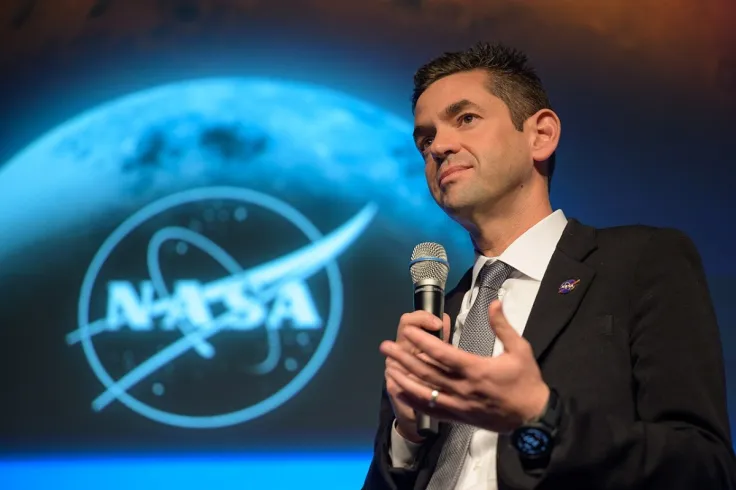
NASA Administrator Jared Isaacman has urged people to hold off on judging the co-pilot of a Learjet that crashed in Florida, killing all nine people aboard.
The co-pilot, 20-year-old Nathalia Gadelha Filgueiras, was among the crew on the Learjet 60, which was traveling from Austin, Texas, to North Eleuthera in the Bahamas. It crashed in Palm Beach County on November 1, 2026. The National Transportation Safety Board (NTSB) is investigating the accident, and the cause has not been determined. NTSB investigation page
Isaacman, an experienced pilot, said he was commenting in a personal capacity. His remarks came after the aircraft’s final radio calls circulated online and drew criticism of the co-pilot. He argued that listeners do not have enough information to judge what happened in the cockpit or assign blame. Florida Today’s report on Isaacman’s remarks
What happened before the crash?
Reports of the radio communications say the crew described icing and turbulence before the aircraft entered a rapid descent. Investigators have also said there is evidence the aircraft may have begun breaking apart before impact.
Those details are important, but they do not yet explain why the crash happened. The NTSB is examining the aircraft and its systems, maintenance history, weather, communications and other evidence. Investigators have cautioned that the cause cannot be determined from early findings alone. Associated Press reporting on the investigation
Why did Isaacman defend the co-pilot?
Isaacman pushed back against online claims that Filgueiras was responsible for the crash or had been unqualified. He noted that people outside the investigation do not know whether the aircraft experienced a mechanical or structural problem, what the pilots could see, or what options were available to them as the emergency unfolded.
Reports said Filgueiras held a Learjet 60 type rating with a limitation on serving as pilot in command. The captain and co-pilot have different roles, and their responsibilities depend on their training and the operator’s procedures. Isaacman said charter operators commonly hire commercial pilots earlier in their careers as second-in-command while they build experience under a captain. Whether all applicable requirements were met on this flight is for investigators to establish. Florida Today’s report
His central point was that the final radio calls should not be treated as proof of fault. The audio may help investigators understand the flight’s last moments, but it cannot show the whole cockpit situation.
What investigators still need to determine
The NTSB will compare evidence from different sources, which may include the wreckage, aircraft records, weather information, radar data, air traffic control communications and any flight recorders that can be recovered.
Investigators have reported evidence of a possible breakup before impact. That finding may help establish the sequence of events, but it does not by itself identify what caused the aircraft to break apart or lose control.
Accident investigations take time because each possible explanation must be checked against the available evidence. Early information can change as investigators recover more material and complete their analysis. The NTSB says its work is intended to determine what happened, why it happened and whether safety changes could prevent a similar accident. NTSB case details
Remembering the people on board
Nine people died in the crash, including the pilots and seven passengers. The public interest in understanding what happened is understandable. But speculation about one crew member cannot replace a careful investigation, and premature blame can add pain for families waiting for answers.
For now, the cause of the Florida Learjet crash remains unknown. Isaacman’s appeal is to respect the victims and their families, give investigators time to examine the evidence, and avoid treating a short recording as a complete explanation.
What do you think is the best way to discuss a crash publicly while investigators are still working to establish the facts?
Full talk script
Title: Why NASA Administrator Jared Isaacman Defended the Learjet Co-Pilot
Hello, and welcome.
Today we’re looking at a fatal Learjet crash in Florida, NASA Administrator Jared Isaacman’s response, and why he urged people to avoid blaming the co-pilot before investigators determine what happened.
On November 1, 2026, a Learjet 60 traveling from Austin, Texas, to the Bahamas crashed in Palm Beach County. All nine people aboard died. The National Transportation Safety Board, or NTSB, is investigating the accident.
The co-pilot was identified as 20-year-old Nathalia Gadelha Filgueiras. After reports of the aircraft’s final radio calls circulated online, some people began criticizing her actions and questioning her experience.
Isaacman responded by asking the public to hold back from drawing conclusions. He said he was speaking in a personal capacity and referred to his own experience as a pilot. His main point was that a short recording cannot reveal everything that was happening inside the cockpit.
People listening to the audio do not know the aircraft’s full maintenance history. They do not know whether a mechanical or structural problem occurred, what warnings the crew saw, or what options the pilots had in those final moments.
Isaacman also addressed criticism of Filgueiras’s age and qualifications. Reports said she held a Learjet 60 type rating with a limitation on serving as pilot in command. The captain and co-pilot have different duties, and the details depend on their training and the operator’s procedures.
Isaacman said charter companies commonly employ commercial pilots earlier in their careers as second-in-command while they gain experience under a captain. That general point does not establish what happened on this flight. Investigators will need to determine whether all the relevant requirements were met.
So what do we know about the crash so far?
Reports of the radio communications say the crew described icing and turbulence before the Learjet entered a rapid descent. Investigators have also reported evidence that the aircraft may have begun breaking apart before impact.
Those findings are significant, but they are not a final explanation. The NTSB is examining the aircraft, its systems and maintenance records, weather conditions, communications and other evidence. Investigators have not yet determined the cause.
This is why accident investigations take time. A detail that looks important at first has to be considered alongside the rest of the evidence. Investigators need to understand not only what happened, but the sequence of events that led to it.
Isaacman’s defense of the co-pilot was not a finding about the cause of the accident. It was a request for restraint. He argued that a person’s voice on a radio recording is not enough to prove incompetence or responsibility.
A recording gives the public a small piece of a much larger event. It cannot show every instrument reading, warning, aircraft response or decision inside the cockpit.
There is also a human cost to the way the crash is discussed. Nine people died, and their families are waiting for answers. Online speculation can spread quickly, but it does not replace the work of investigators or help establish what happened.
The NTSB’s job is to determine the facts, identify the cause and recommend changes that could prevent similar accidents. That process depends on careful analysis and evidence.
For now, the cause of the Florida Learjet crash remains unknown. Isaacman’s message is to respect the people who died, give investigators time to do their work, and avoid blaming the co-pilot before the facts are established.
Thanks for listening.
How should the public balance the need for answers with the need to wait for reliable evidence?